Teaching media literacy in a world of active shooters

I teach in a world of active shooters.

Whenever I teach a university-core communication course, I always include a bit of media literacy, even if it’s a speech/interpersonal-oriented class. If this will be the only exposure non-majors receive to the discipline, I believe one of the most practical skills I can teach them is how to be wise consumers and distributors of information.

This is how that played out in a classroom in Arkansas.

Continue reading “Teaching media literacy in a world of active shooters”

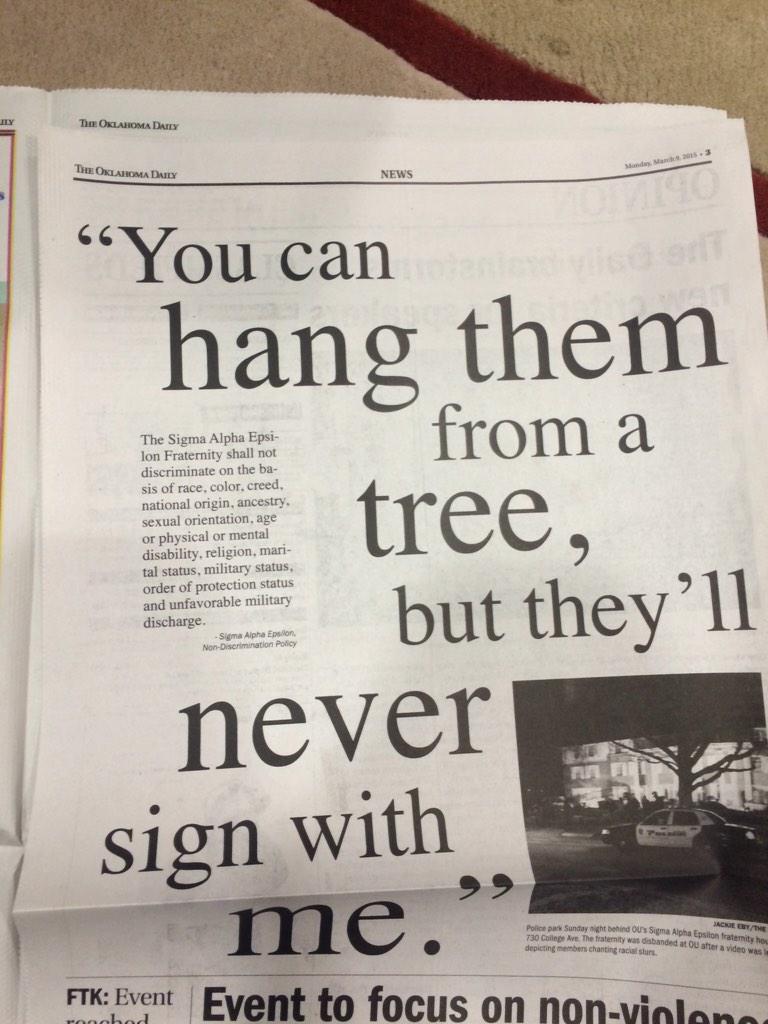
Reviling racism and protecting free speech: PR, education, and the First Amendment in Oklahoma’s SAE controversy

There will never be a n*gger at SAE
You can hang him from a tree
But he’ll never sign with me
There will never be a n*gger at SAE

Some ignorant frat guys from the University of Oklahoma sang this on a bus. It was filmed and shared online. Within 24 hours, the university severed ties with the fraternity and shut down their campus house. Within 36 hours, two students appearing to lead the song had been expelled.

They deserve it. The existence of this line of thinking, much less the existence of a welcoming audience for such a message, makes me angry.

They deserve it. But they cannot be expelled, because it runs counter to the purpose of institutions of higher education and foundational American beliefs about expression.

Continue reading “Reviling racism and protecting free speech: PR, education, and the First Amendment in Oklahoma’s SAE controversy”

Crime Scene: A lesson in reporting & interviewing (w/ fake blood!)

A gruesome murder has occurred on the SAU campus – the fifth on an area campus in as many weeks. But for the first time, the killer has slipped, leaving clues behind…

This slideshow requires JavaScript.

Crime Scene is a collaborative project between the Theatre and Mass Communication students within the department. Students in my Reporting and Writing course attempt to uncover details of the apparent murder and develop a news story capturing the facts of the case so far.

It’s their favorite day of the semester. Mine, too.

Continue reading “Crime Scene: A lesson in reporting & interviewing (w/ fake blood!)”

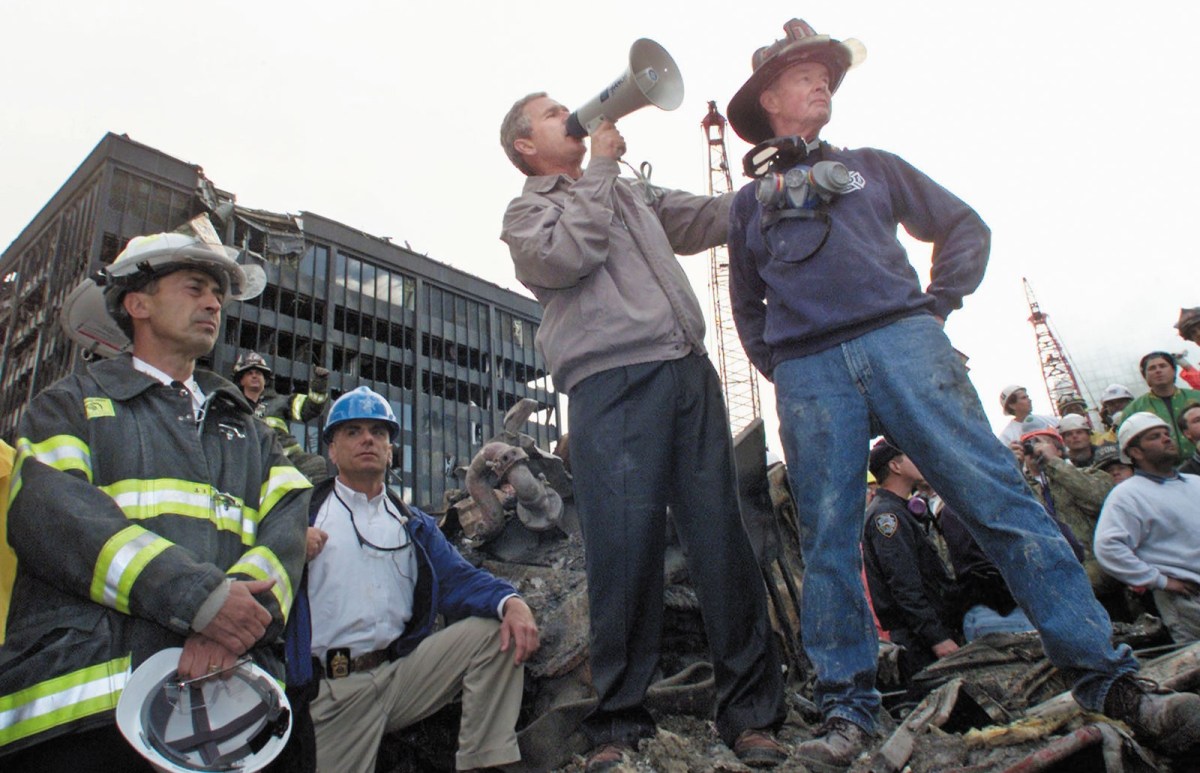
Teaching September 11

One of my senior-level seminar courses took a break from our normal lecture schedule last week to look back at the September 11, 2001 terrorist attacks and their impact on journalism, culture, and diplomacy in the United States and abroad. I titled the series, “Effects of 9/11 – 10 Years Later,” and opened it to students across the campus.

With the immense anniversary coverage being prepared for the weekend ahead, it seemed like an excellent opportunity to look back (For more on the extent of the coverage, see Paul Farhi’s piece in the Washington Post). The idea gained steam with the launch of the new Understanding 9/11 page from the Internet Archive, a massive collection of television coverage from the original Sept. 11, 2001 broadcasts of major news networks around the world.

I arranged the lectures around clips from the archive and other corners of the Internet. I was quite pleased with the discussions that took place. My colleagues and I wondered if the students – most of them 10-11 years old when the attacks occurred – would have the same memories of that day as we do. As it turned out, the associations were still strong, and sparked some great debate.

Continue reading “Teaching September 11”