Chick-fil-A, the First Amendment, and the drawing out of a public relations firestorm

Since Chick-fil-A President Dan Cathy’s comments on same-sex marriage one week ago, folks on both sides of the debate have been speaking out. Opinion leaders have publicly shown their support for the fast-food chain, like former Arkansas governor and current talk show host Mike Huckabee, who is orchestrating a Chick-fil-A Appreciation Day. Opinion leaders have publicly denounced the fast-food chain, like the Henson Company, which announced its Muppets characters would no longer be tied to Chick-fil-A promotions. As I wrote last Thursday, choosing a side on a hot-button issue is not going to come without repercussions. From a purely business perspective, the hard-line stance could only harm Chick-fil-A’s bottom line by offending some and turning a trip to the drive-thru into a moral dilemma.

[RELATED: Chick-fil-A on public relations tightrope after latest Cathy same-sex marriage comments]

But in recent days, Chick-fil-A has received some unexpected help in its public relations quagmire from an opposition that has lost its mind and its constitutional principles.

Continue reading “Chick-fil-A, the First Amendment, and the drawing out of a public relations firestorm”

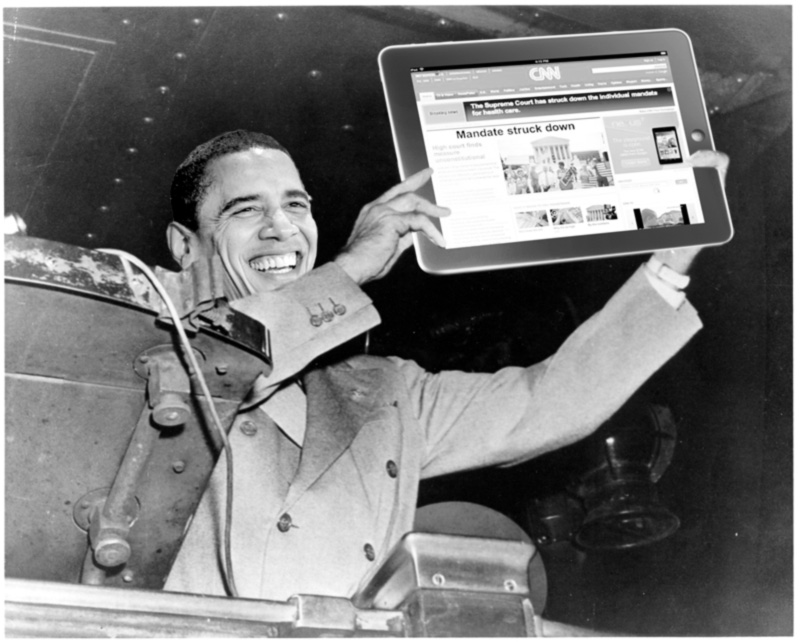
CNN, others in media, blow Supreme Court decision on healthcare… So now can we get some responsiblity in reporting?

My television tuned to the network morning programs; my browser displayed a handful of news sites and Twitter. With breakfast in hand, I was in full breaking news mode Thursday morning, awaiting word of the Supreme Court’s opinion on the Affordable Care Act. More simply, healthcare reform; more partisan, Obamacare.

A few minutes after 9 a.m. central time, every major news network was on the air, trying to be the first to summarize the 193-page opinion. CNN, the former cable news king now in dire need of ratings, was the first major source to make a declaration. Individual mandate: Unconstitutional. Healthcare law: Thrown out. On-air, online, on social media, through email blast, CNN was ready to celebrate an all-out, multi-channel, breaking news of the year scoop!

Except they were wrong. A misreading of the opinion, they claimed.

Individual mandate: Constitutional. Healthcare law: Upheld.

Courtesy Gary He (http://twitter.com/garyhe)

CNN wasn’t alone (though they were certainly most prominent). Fox News displayed the incorrect opinion on a banner during their live television coverage. A number of Republican political figures jumped the gun in celebration. Others goofed. Read all about it.

It used to be that getting a scoop mattered. Beating a competitor by an entire day in a printed newspaper really meant something. But today, when information is disseminated over various channels within minutes (or seconds) of each other, does being first really mean that much? Is it worth being wrong? Ask CNN. Sure, the tagline could have read: “We get you the news 11 seconds before the other guys.” Enviable, to be sure. Instead, they made “The most trusted name in news” read like a relic from a time when their newsroom had some sense.

Continue reading “CNN, others in media, blow Supreme Court decision on healthcare… So now can we get some responsiblity in reporting?”

Fox News makes an anti-Obama attack ad: How production value impacts perception

Take a moment to watch this video:

Entitled “Four Years of Hope and Change,” you get dramatic visuals and music – a greatest hits of Barack Obama’s first term as president. Well, if you didn’t like the guy, anyway.

The facts seem to be fine from a cursory glance. It would be an excellent creation of the Romney campaign or some political action committee. Thing is, it wasn’t a creation of a blatant activist group. It was produced by Fox News and ran multiple times Wednesday on its morning infotainment program Fox & Friends.

Continue reading “Fox News makes an anti-Obama attack ad: How production value impacts perception”

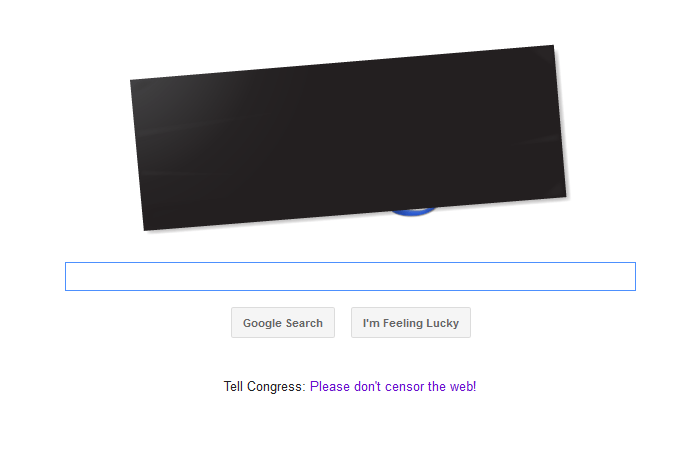
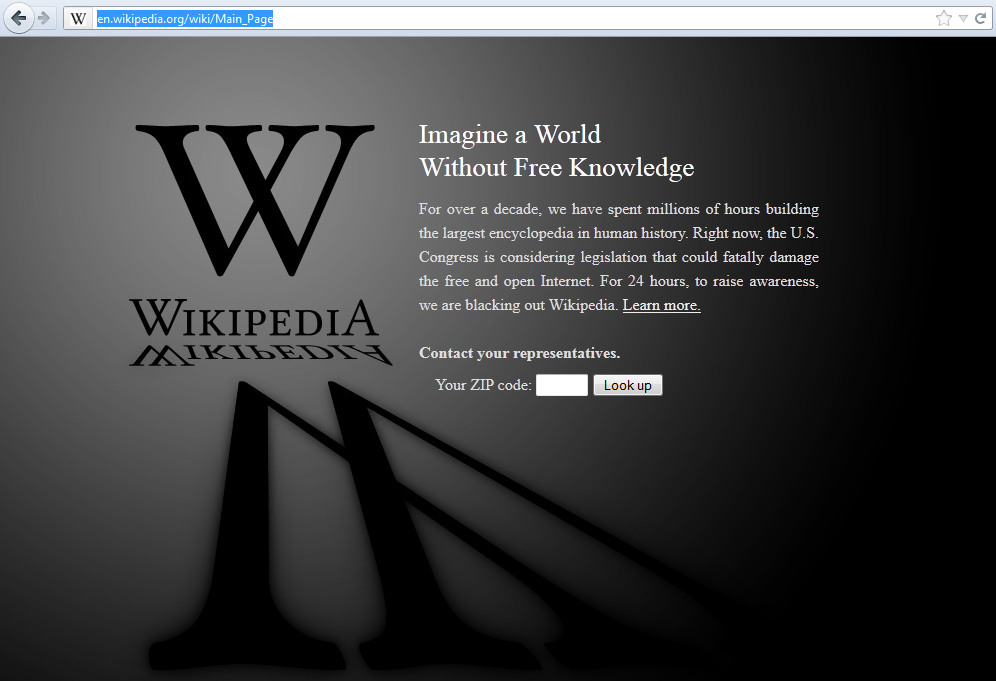
How Google (and maybe Wikipedia) won the anti-SOPA/PIPA campaign for the Internet

I tend to check at least one Wikipedia page per blog post. It’s a simple way to double-check the little pieces of information that make a post come together.

I use Google more times a day than I’d ever care to count.

Today, two of the most-visited sites on the Internet have gone black – one symbolically, the other quite literally – in the most publicized opposition to date of anti-piracy legislation SOPA and PIPA.

A visit to any English-language Wikipedia page today was met with a rapid redirect to a black screen with a brief paragraph not-so-subtly suggesting that your favorite open-source encyclopedia could one day be blocked by some overzealous federal button masher:

Continue reading “How Google (and maybe Wikipedia) won the anti-SOPA/PIPA campaign for the Internet”

Teaching September 11

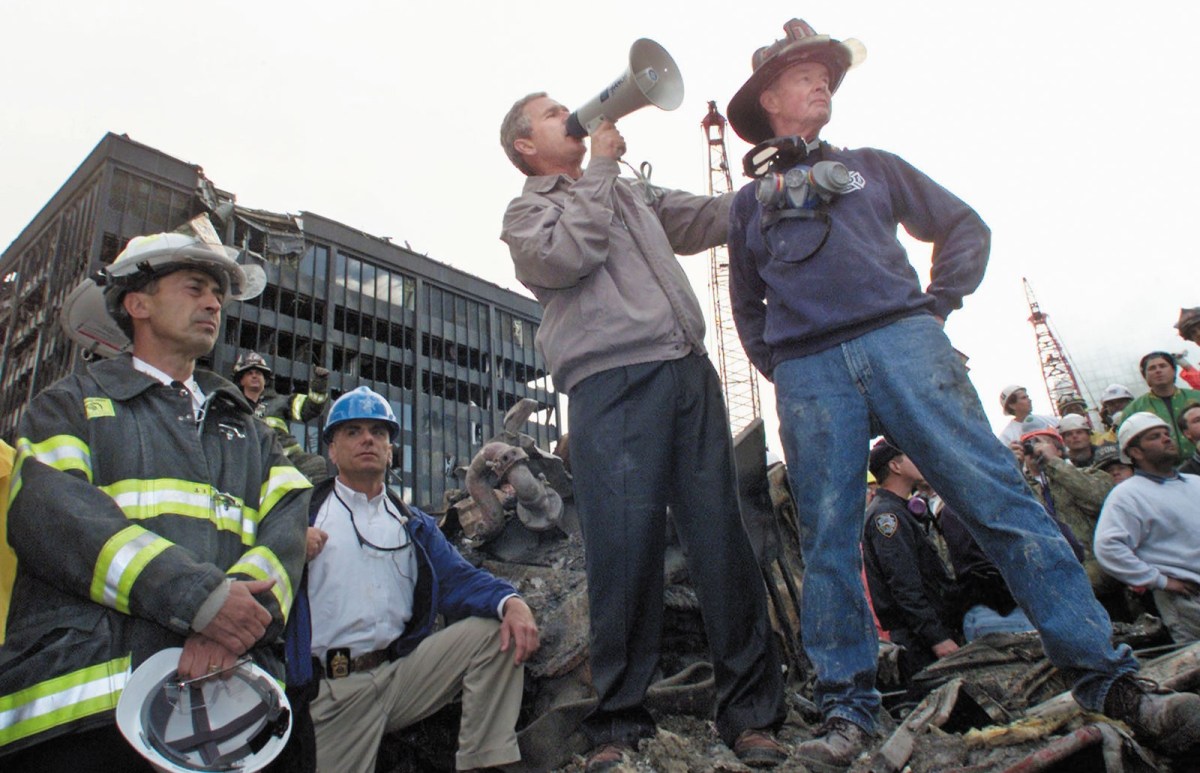
One of my senior-level seminar courses took a break from our normal lecture schedule last week to look back at the September 11, 2001 terrorist attacks and their impact on journalism, culture, and diplomacy in the United States and abroad. I titled the series, “Effects of 9/11 – 10 Years Later,” and opened it to students across the campus.

With the immense anniversary coverage being prepared for the weekend ahead, it seemed like an excellent opportunity to look back (For more on the extent of the coverage, see Paul Farhi’s piece in the Washington Post). The idea gained steam with the launch of the new Understanding 9/11 page from the Internet Archive, a massive collection of television coverage from the original Sept. 11, 2001 broadcasts of major news networks around the world.

I arranged the lectures around clips from the archive and other corners of the Internet. I was quite pleased with the discussions that took place. My colleagues and I wondered if the students – most of them 10-11 years old when the attacks occurred – would have the same memories of that day as we do. As it turned out, the associations were still strong, and sparked some great debate.

Continue reading “Teaching September 11”